13. June 2025 9 minutes reading time

Modern HR Department

Mitarbeitende einer modernen Personalabteilung im Austausch.
  1. Home
  2. Knowledge Base
  3. Modern HR Department

Key Takeaways

  • A modern HR department goes far beyond administration — it acts as a strategic partner for growth, transformation, and culture.

  • To achieve this, clear structures, efficient processes, and digital tools are essential.

  • This allows HR to automate operational tasks and focus on areas such as employer branding, development, and data-driven management.

  • The goal is a future-ready HR function that actively contributes to overall business success.

    The HR department plays a vital role in every organization. It manages the people, processes, and strategies that keep businesses running and growing. Often working behind the scenes, the human resources department supports employees, enables leadership, and aligns people-related processes with the organization’s long-term goals. Yet for many, questions remain: What does HR do? What are the responsibilities of the human resources department? And why is HR so critical for organizational success?

    At its core, human resources (HR) is responsible for managing the employee lifecycle. This includes everything from recruiting and onboarding to training, compensation, performance management, and succession planning. While many still associate HR primarily with administrative duties or handling contracts and payroll, modern HR departments go far beyond that. Today’s HR teams actively shape work environments, influence culture, and help organizations adapt to change.

    Core HR Responsibilities and Functions

    The recruitment process is one of the most visible aspects of HR. From crafting job descriptions to screening job applications and organizing interviews, the HR department ensures the organization attracts and selects the right talent. Once hired, employees are supported through onboarding and orientation programs, designed to integrate them smoothly into the company culture and operations.

    But hiring is just the beginning. A well-functioning HR department also takes care of compensation and benefits, ensuring fair and competitive pay structures and benefit packages that support employees’ well-being. Another major area is performance management. HR helps managers and employees define goals, review progress, and identify areas for growth. This often ties into broader talent management strategies, which aim to develop high-potential individuals and ensure the right people are in the right roles.

    At the same time, human resources functions like training and development help maintain employee skills and foster professional growth, both of which are essential for long-term organizational success. Proper management of employee records is also a critical part of ensuring smooth and compliant HR operations.

    The Strategic Role of Human Resources

    Yet HR’s role extends far beyond operational responsibilities. Increasingly, human resource management (HRM) is viewed as a strategic partner to the business. In times of change, whether due to growth, restructuring, or market disruptions, the HR department plays a crucial part in ensuring organizational agility. Through workforce modeling, strategic planning, and data-informed decision-making, HR contributes to building resilient structures and teams.

    In many companies, HR is deeply involved in shaping the organization’s operating model. This includes analyzing the span of control, identifying bottlenecks in team structures, and supporting strategic initiatives such as mergers, acquisitions, or digital transformation. With tools like Ingentis org.manager, HR departments can visualize current structures, simulate potential changes, and evaluate their impact before implementation. Such capabilities not only reduce risk but also strengthen the quality of decision-making at the leadership level.

    How HR Supports Employees and Managers

    The HR department serves as a vital bridge between managers and employees. It ensures that communication flows in both directions and that expectations are clearly defined. HR helps translate company policies into daily practice and supports leaders in applying them consistently. In day-to-day operations, HR teams work closely with employees at all levels. They assist in resolving work related issues and conflicts, mediate sensitive situations, and ensure fair treatment across teams. By promoting transparency and inclusion, HR plays a key role in building a healthy work environment.

    Employees often turn to HR with a wide range of concerns. These may include questions about compensation and benefits, health insurance, clarification on internal policies, or support during personal or professional transitions. HR also helps employees understand their options when it comes to learning opportunities, promotions, or long-term career planning.

    At the same time, HR supports managers by providing guidance on leadership practices, performance conversations, and team dynamics. They help ensure that management decisions align with legal requirements and company values. In this way, the HR department supports employees not only administratively, but also professionally, emotionally, and structurally, strengthening both individual wellbeing and organizational cohesion.

    Modern HR Management: Data and Technology

    In an increasingly complex world of work, maintaining employee satisfaction and engagement requires more than good intentions. It demands data, systems, and processes that enable organizations to listen, adapt, and respond to their workforce’s needs. This is where digital HR management comes into play.

    A professionally maintained organizational chart provides a clear overview of roles, responsibilities, and reporting lines. It serves as the structural foundation of the HR department and helps ensure that decision-makers always stay on top of the current organizational structure. This is especially valuable in growing companies or during reorganizations, where complexity increases and clarity is key.

    Modern HR org charts go far beyond static visuals. They are interactive, data-driven, and update in real time. This allows HR teams to visualize key metrics such as vacancies, span of control, age structures, or even simulate planned organizational changes directly within the chart.

    From tracking performance data to monitoring training completion or forecasting workforce capacity, HR must make sense of diverse data sources. The Bureau of Labor Statistics and other labor market databases offer valuable benchmarks, but internal data is where true insight lies. Accurate, up-to-date information is key to understanding workforce trends, identifying potential flight risks, and planning ahead, whether in terms of headcount, skills, or budget.

    More about this topic

    Organizational Structure: What’s that?

    In this article, we’ll share key insights on ensuring effective organizational governance and how to leverage it to achieve your company’s goals.

    HR Roles: From Generalist to Strategic Advisor

    The human resources function has evolved into a multi-faceted profession. Today, HR roles range from generalists and recruiters to business partners, learning specialists, and HR data analysts. In larger organizations, there may also be specialists for compensation and benefits, diversity and inclusion, or workforce planning. Each role supports a specific area of the employee experience, yet all contribute to a shared goal: enabling people to thrive in their work environment.

    A career path in HR can be highly dynamic, offering opportunities to work across various disciplines. It combines interpersonal communication with strategic thinking, problem-solving, and increasing technological fluency. As organizations grow more complex, HR professionals must adapt quickly and continuously expand their knowledge and skill sets.

    Why Human Resources Is Crucial to Business Success

    Despite its complexity, the definition of human resources remains rooted in one central idea: to create the conditions in which people and organizations can perform at their best. This includes establishing transparent policies, ensuring compliance, promoting equity and inclusion, and encouraging employee participation.

    By aligning human resource strategies with organizational priorities, HR departments help businesses remain competitive, future-ready, and people-centered. What makes a human resource department truly effective is its ability to connect the dots, between strategy and operations, between data and people, and between structure and culture. HR responsibilities and roles are no longer isolated to administrative checklists. They now encompass leadership coaching, change enablement, and innovation in people processes.

    Conclusion: The Future of the HR Department

    The question “What is HR in a company?” can therefore no longer be answered in one sentence. HR is the organizational architect, the cultural custodian, and the enabler of both efficiency and agility.
    From managing performance to facilitating strategic workforce planning, the HR department is involved in every critical aspect of organizational life. And it does so with one core mission: to support employees and the business in achieving shared goals.

    Whether it’s defining roles and responsibilities, supporting transformation, or designing more inclusive and efficient structures, the HR department holds the key to unlocking organizational potential. As business challenges grow more complex, the value of a skilled, data-driven, and strategically positioned HR function will only continue to grow.

    FAQ

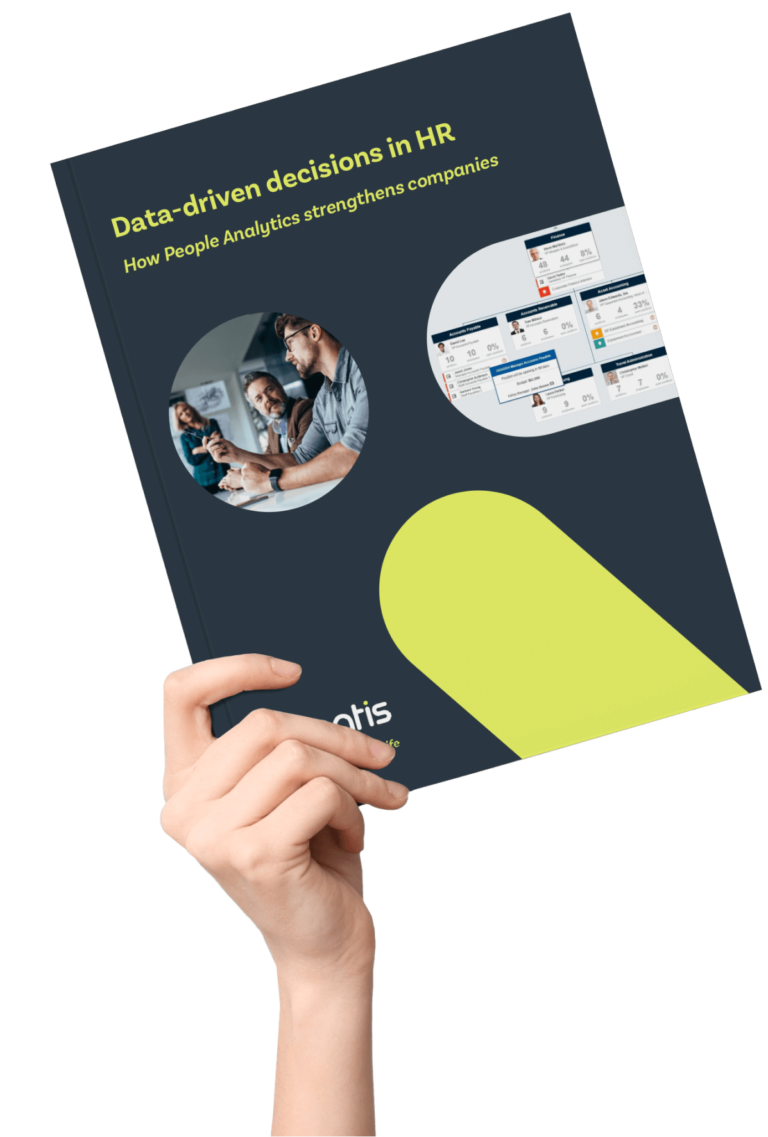
    Whitepaper on People Analytics

    Data-driven decisions in human resources

    Our whitepaper, “Data-Driven Decisions in HR,” offers a hands-on introduction to People Analytics, outlining the key steps to strategically strengthen your business and guide it toward a data-driven future.

    Ingentis Whitepaper People Analytics

    The latest posts by Ingentis

    16. September 2025 6 minutes reading time
    Happy,Busy,Executive,People,Working,Together,In,Office.,Female,Manager
    Five Levers for a Successful Reorganization
    A reorganization is more than just moving boxes around in the organizational chart. It affects …
    16. September 2025 10 minutes reading time
    Practical Applications of Ingentis org.manager
    In a world shaped by constant change, every phase of an organization’s lifecycle requires a …
    14. August 2025 7 minutes reading time
    Effectiveness along the corporate life cycle
    Organizational Effectiveness
    Organizational effectiveness goes far beyond simply increasing efficiency and pursues a holistic …