25. February 2025 10 minutes reading time

HR-Dashboard: The Key to a Modern HR Strategy

Laptop mit HR-Dashboard in einem Meeting-Setting.
  1. Home
  2. Knowledge Base
  3. HR-Dashboard: The Key to a Modern HR Strategy

Key Takeaways

  • An HR dashboard consolidates key personnel data in real time and translates it into strategic insights.
  • It helps HR monitor and optimize processes like recruitment, retention and absence management through data.
  • Effective usage demands high data quality, clearly defined KPIs and seamless system integration.
  • A modern HR dashboard transforms HR from an administrative function into a strategic business partner.

    What is an HR Dashboard? At a time when labor markets are becoming more dynamic and challenges more complex, an HR dashboard is an indispensable tool for companies. It provides a central platform for visualizing and analyzing important HR data to enable well-founded decisions. In light of the digital transformation and the increasing importance of remote and hybrid working, companies need transparent and data-based insights into their HR structures more than ever. With the right HR software, relevant data can be visualized and HR processes can be efficiently optimized. HR dashboards offer a comprehensive solution for analyzing and managing the most important key figures in HR. A modern HR approach requires the use of such dashboards in order to make data-based decisions and continuously improve strategic HR processes.

    But which HR dashboard metrics are most important? And what makes an HR dashboard software truly effective?

    What is an HR Dashboard?

    An HR dashboard is a central platform for visualizing and analyzing key metrics in the field of Human Resources. It provides companies with a clear overview of relevant HR data and enables data-driven decision-making. These digital tools support the management of complex HR processes by delivering real-time analytics and forecasts. In contrast to a traditional HR cockpit, which often presents only static reports, HR dashboards are interactive and allow for deeper insights into personnel-related metrics. A modern HR dashboard tool facilitates automation and offers personalized dashboards, delivering flexible solutions tailored to any HR strategy. HR dashboards enhance the efficiency of Human Resources management by consolidating and presenting essential information in a structured and accessible way. Organizations often use employee dashboards or personnel dashboards to prepare targeted information for managers and employees alike. While an HR dashboard reflects an organization’s entire HR processes and strategic metrics, a personnel dashboard focuses on individual employee data such as performance reviews or development initiatives. An HR KPI dashboard goes one step further by offering detailed insights into performance-related key figures.

    Key HR Metrics at a Glance

    KPIs (Key Performance Indicators) in HR are measurable values that assess the success of personnel strategies and processes. They help analyze the effectiveness of recruitment, employee retention, and performance evaluation. Through the use of HR analytics, key metrics can be analyzed and optimized to improve strategic outcomes. HR dashboards provide companies with a centralized way to continuously monitor these values and make adjustments to their HR strategy as needed.

    Effective HR dashboards rely on well-defined HR metrics that offer a clear view of workforce performance. The most important HR KPIs include:

    01

    Time to Hire

    How long does the hiring process take?
    02

    Cost per Hire

    How much does it cost to recruit a new employee?
    03

    Employee Turnover Rate

    How frequently do employees leave the company?
    04

    Absence Rate

    How often and for how long are employees absent?

    Benefits of HR Dashboards

    A well-designed HR dashboard software provides numerous advantages for HR teams and business leaders:

    01

    Quick Access to All Relevant HR Data:

    An HR dashboard provides immediate access to essential personnel data, enabling HR teams to make informed decisions in real time.
    02

    Data-Driven Decisions for a Better HR Strategy

    By analyzing key HR KPIs, strategic initiatives can be optimized and specifically adapted to current developments.
    03

    Automation of HR Processes:

    Modern HR dashboards handle regular data collection and updates, reducing the need for manual intervention and minimizing errors.
    04

    Improved Workforce Planning Through Data-Driven Decisions:

    With the help of detailed analyses, companies can identify bottlenecks or overcapacity at an early stage and proactively adjust their workforce strategy.

    HR Dashboard Tools: Selection and Implementation

    The choice of the right HR dashboard tool depends on a company’s individual requirements. The decision should be based on factors such as scalability, user-friendliness, and the specific needs of the HR department. While managing basic HR metrics in smaller companies might still be feasible with Excel, specialized software solutions offer significantly more advanced capabilities. Tools like Ingentis org.manager not only allow seamless integration with existing HR systems but also enable real-time visualization and analysis of complex HR data.

    Another important aspect is data security. Companies should ensure that the selected tool complies with current data protection regulations and guarantees the secure storage of sensitive employee information.

    Compatibility with existing IT systems is also a crucial factor to ensure smooth integration into existing corporate structures. Companies should therefore make sure that the selected tool meets their specific requirements and contributes to the long-term optimization of their HR strategy. The ability to create a personalized dashboard that focuses on individual employee information can also be a valuable advantage.

    HR Dashboards in Organizational Design & Org Effectiveness

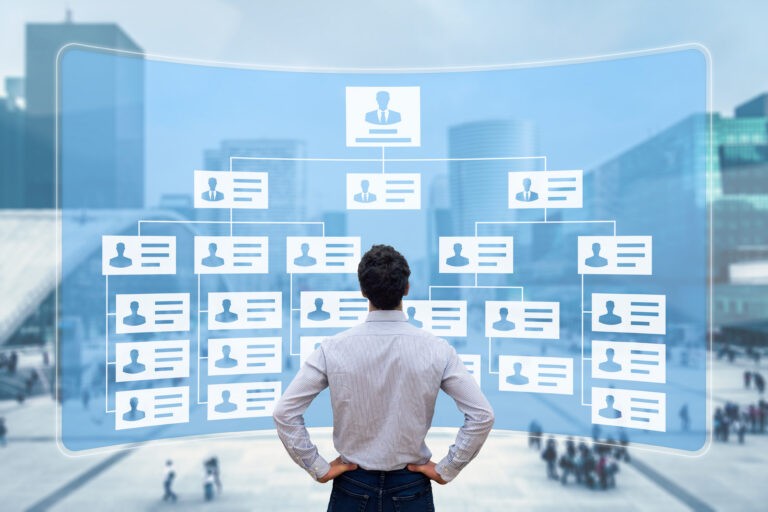
    HR dashboards play a crucial role in optimizing organizational structure. By integrating with organizational charts, companies gain deeper insights into their organizational setup and can make data-driven decisions. For example, span of control can be analyzed to prevent managerial overload or to improve team efficiency.

    Another advantage of such software solutions is the ability to simulate future organizational changes in order to evaluate the potential impact of restructurings or succession planning in advance.
    This minimizes risks and enhances long-term planning reliability.

    More about this topic

    What is Organizational Design?

    The basic concept of organizational design is based on the assumption that employees in companies never behave randomly. It is much more the case that they adapt their own behavior to the framework conditions in the company or in their department.

    Building an HR Dashboard

    Creating an effective HR dashboard requires a strategic approach. Companies should follow a step-by-step process:

    01

    Identify Data Sources:

    First, all relevant data sources must be identified. This includes internal systems such as HR software, human resource information systems (HRIS), and payroll tools, as well as external data sources for market benchmarking.
    02

    Defining KPIs:

    Selecting the right Key Performance Indicators Selecting the right Key Performance Indicators (KPIs) is essential. They should be aligned with the company’s strategic objectives and cover areas such as employee turnover, recruitment efficiency, and absenteeism rates.
    03

    Data Structuring:

    The collected data must be cleaned and structured to ensure consistent and reliable analysis.
    04

    Designing the Visualization:

    A well-structured dashboard should feature a clear and intuitive user interface. Various chart types, such as bar, line, or pie charts, make it easier to visualize trends and patterns.
    05

    Automation and Real-Time Updates:

    Modern HR dashboard tools enable regular updates and real-time data analysis, allowing HR teams to access up-to-date information at all times.
    06

    Ensure User-Friendliness

    In addition to a well-structured content layout, an HR dashboard should be easy to use. Clear access rights ensure that different user groups can only view the data relevant to them.

    This structured approach results in a powerful HR dashboard that enables data-driven decision-making and sustainably enhances the efficiency of HR processes.

    Integration with Other Business Units and Systems

    Ein HR-Dashboard sollte nicht isoliert betrachtet werden, sondern als Teil einer umfassenden Unternehmensstrategie fungieren. Durch die Integration mit Finanz-, Vertriebs- und IT-Systemen lassen sich wertvolle Synergien schaffen, die die Effizienz und Genauigkeit der Geschäftsentscheidungen verbessern. Die Verknüpfung von HR-Daten mit Business Intelligence ermöglicht tiefere Analysen und bessere Prognosen für strategische Personalentscheidungen. Durch den Einsatz von Predictive Analytics können Unternehmen zukünftige Entwicklungen vorhersehen, wie beispielsweise Fluktuationsraten oder Rekrutierungsbedarfe, und frühzeitig geeignete Maßnahmen ergreifen.

    Ein weiteres wesentliches Element ist die Anbindung an bestehende ERP- und HR-Systeme. Eine nahtlose Integration sorgt für den kontinuierlichen Datenfluss zwischen verschiedenen Abteilungen und stellt sicher, dass alle Unternehmensbereiche auf einer einheitlichen Datenbasis arbeiten. Dies reduziert Redundanzen, vermeidet Fehler und sorgt für eine einheitliche und verlässliche Datenlage.

    Zusätzlich können HR-Dashboards mit anderen Bereichen wie dem Controlling oder dem Risikomanagement verknüpft werden. So lassen sich beispielsweise Personalkosten besser im Unternehmensbudget abbilden oder Maßnahmen ergreifen, um die Mitarbeiterfluktuation zu vermindern und Risiken im Zusammenhang mit Personalfluktuation gezielt zu steuern. Eine holistische Betrachtung der HR-Daten führt zu einer besseren Entscheidungsgrundlage und einer langfristig erfolgreichen Unternehmensstrategie. 

    Whitepaper on People Analytics

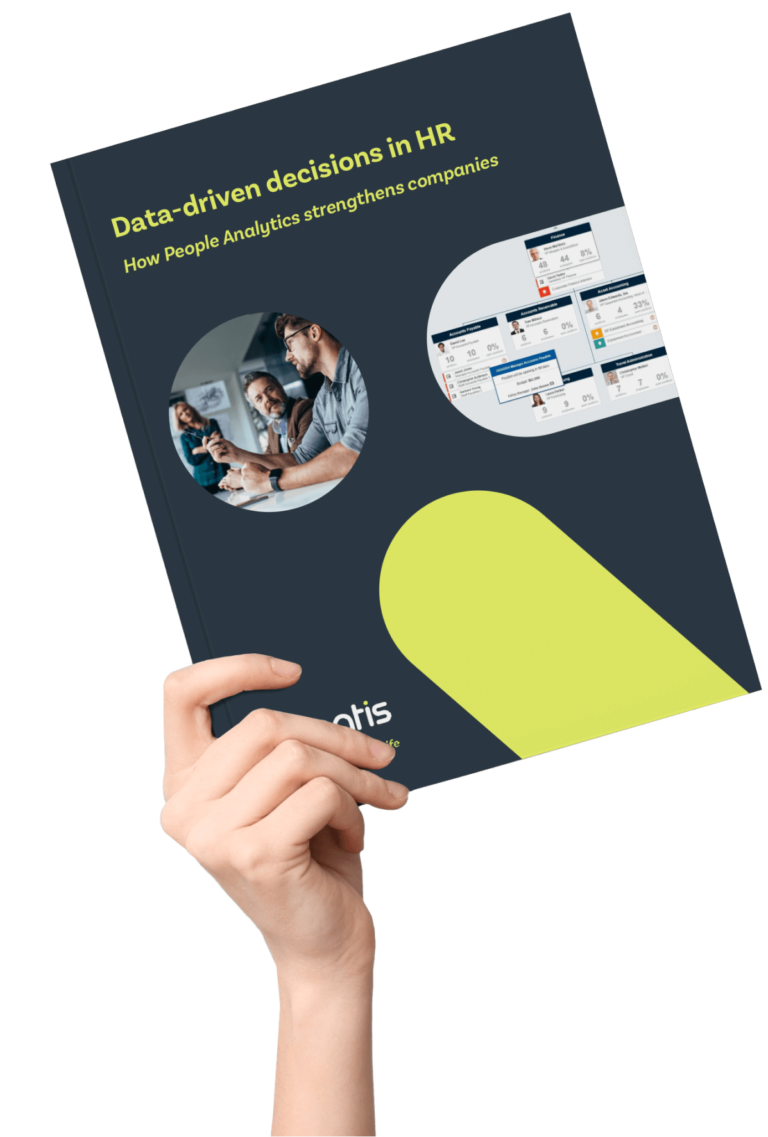
    Data-driven decisions in human resources

    Our whitepaper, “Data-Driven Decisions in HR,” offers a hands-on introduction to People Analytics, outlining the key steps to strategically strengthen your business and guide it toward a data-driven future.

    Ingentis Whitepaper People Analytics

    Conclusion and Outlook

    A well-designed HR dashboard is essential for any modern HR strategy. By combining HR KPIs, Org Analytics, and data-driven decision-making, it significantly boosts the efficiency of HR management. The future lies in linking HR dashboards with AI-powered analytics tools to enable even more accurate forecasting and optimization. Companies that integrate these technologies early on are not only better equipped to respond quickly to changes in the HR landscape, they also secure their long-term competitiveness. In an increasingly data-driven world, the ability to derive strategic decisions from HR data is becoming a key success factor for any forward-thinking HR strategy.

    FAQ

    The latest posts by Ingentis

    17. December 2025 12 minutes reading time
    From Risk to Readiness: Why the Lack of Succession Planning Is a Strategic Threat
    A CFO leaving mid-budget cycle or a high-performing GM taking a competitor’s offer can disrupt …
    18. December 2025 8 minutes reading time
    Happy,Busy,Executive,People,Working,Together,In,Office.,Female,Manager
    Five Levers for a Successful Reorganization
    A reorganization is more than just moving boxes around in the organizational chart. It affects …
    18. November 2025 10 minutes reading time
    Practical Applications of Ingentis org.manager
    In a world shaped by constant change, every phase of an organization’s lifecycle requires a …